
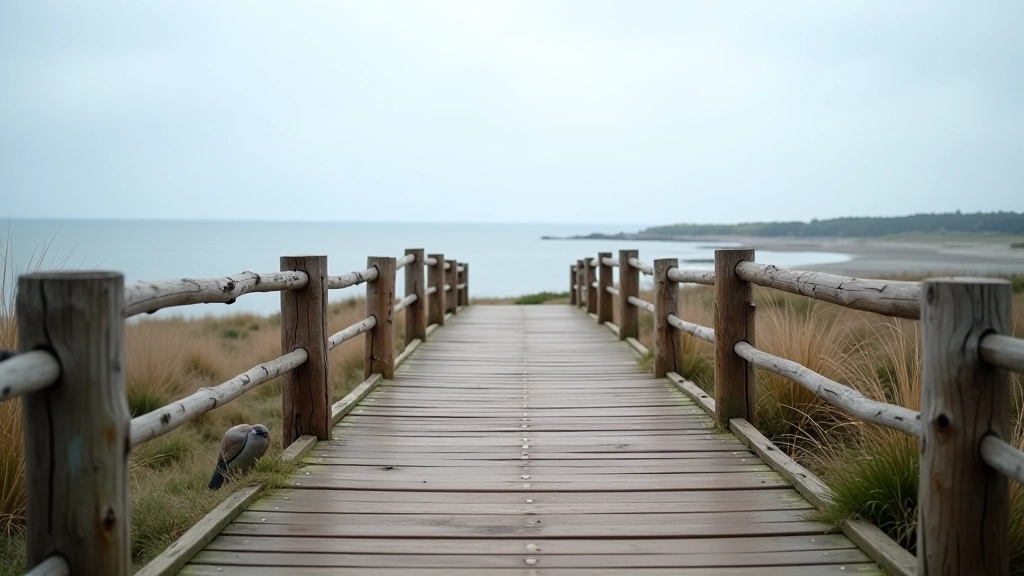
Vaide Heritage Village Walking Route
Explore the restored fishing village with its traditional Liv architecture, quiet beaches, and the fascinating maritime museum along a shaded 3-kilometer trail.

A Living Connection to Liv Heritage
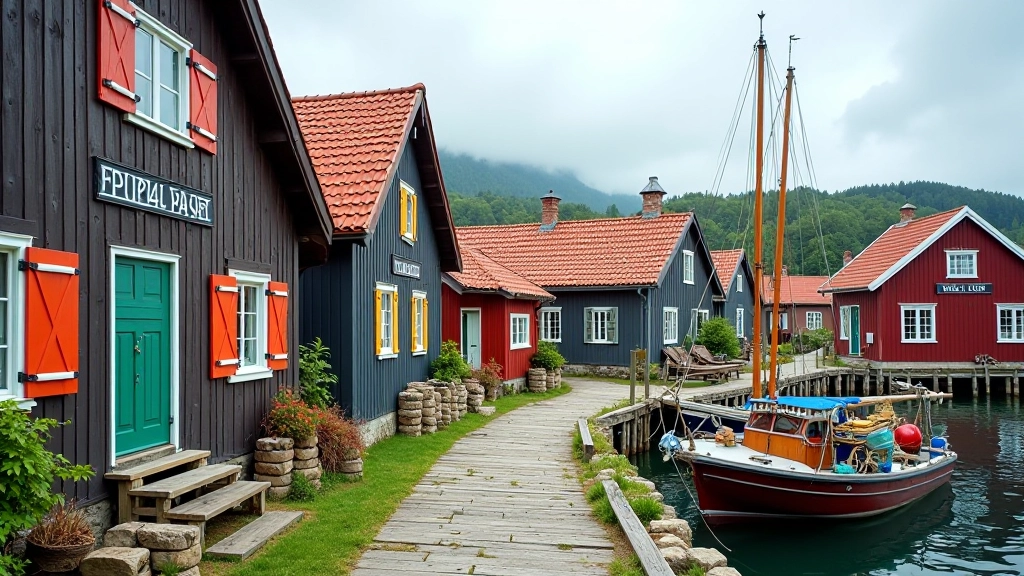
Vaide isn't your typical tourist destination. It's a place where history breathes through wooden structures painted in deep blues and reds, where the sound of waves mingles with stories of fishing families who've called this coast home for centuries. The village sits quietly on Latvia's northwestern peninsula, preserved not as a museum piece but as a genuine community still rooted in maritime traditions.
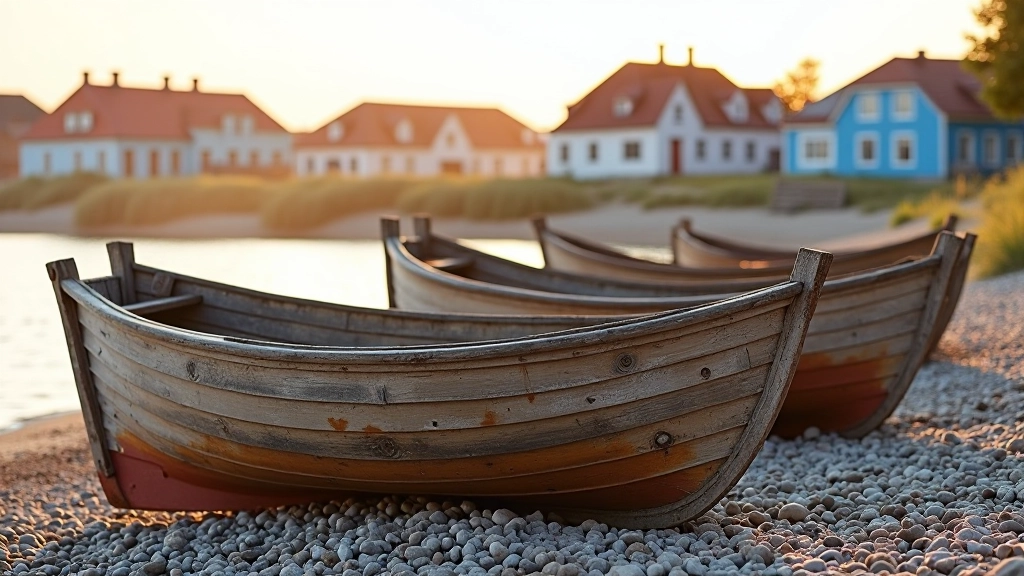
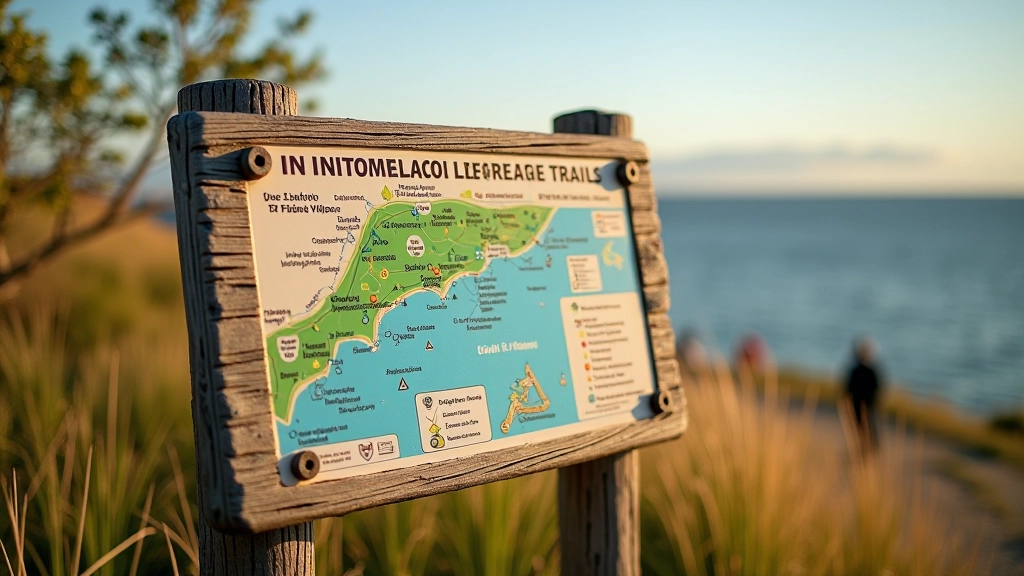
What makes this walk special? It's the balance. You're not rushing through a curated trail with numbered stops. Instead, you're moving through a landscape that unfolds naturally — from the village center with its restored cottages to the beach where wooden fishing boats still rest, then through shaded forest paths before returning to the shoreline. The entire route spans just 3 kilometers, making it accessible for seniors and anyone who prefers a leisurely pace over a strenuous hike.
Understanding the Walking Route
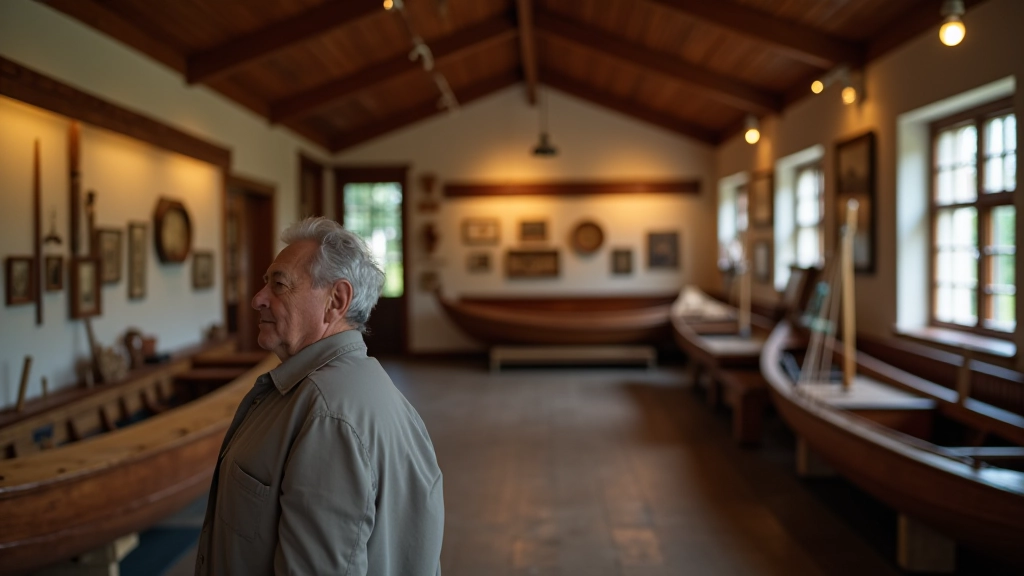
The trail divides naturally into three segments, each offering something different. The first part takes you through the village itself, where you'll see the Maritime Museum housed in a traditional cottage. Don't skip this — it's where you understand the Liv fishing tradition: nets, boats, daily life from centuries past. The museum staff are genuinely knowledgeable and won't rush you through.
From there, you descend to the beach. This isn't a sandy stretch — it's pebbled and dramatic, especially when wind comes off the sea. The shoreline path is protected by a gentle slope, so you're walking safely even with the uneven surface. Most people spend time here just observing: watching the light change on the water, spotting the occasional fishing activity, sitting on weathered benches placed thoughtfully along the way.
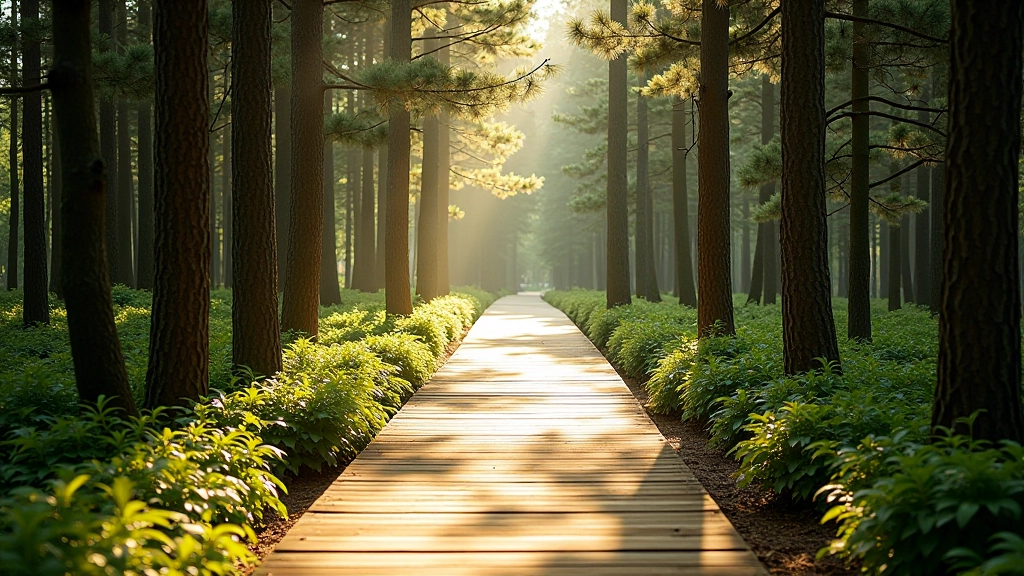
The final segment loops back through forest. These aren't steep paths — the terrain is mostly level with occasional gentle rises. The canopy keeps things cool even on warmer days, which matters if you're walking in summer. You'll notice the forest floor changes from sandy soil to more rocky terrain as you approach the village again.
What You'll Actually See and Experience
Traditional Architecture
The cottages here follow Liv design principles: compact, efficient, built to withstand coastal weather. You'll see original timber frames, traditional window shutters in blues and reds, and gardens where people still grow vegetables. It's not reconstructed — it's maintained.
Maritime Heritage
Fishing shaped everything here. You'll see preserved nets, old boat-building techniques explained through exhibits, photographs of families who've lived by the sea for generations. The museum isn't pretentious — it's direct and honest about how people survived here.
Coastal Landscape
The shoreline here is dramatic without being overwhelming. Pebbled beaches, small rocky outcrops, forest that meets the sea abruptly. It's the kind of landscape that feels timeless — unchanged from how it looked decades ago.
Forest Ecosystems
The pine and birch forest here supports local wildlife. You might spot deer tracks, hear woodpeckers, or see the occasional bird species specific to coastal areas. It's not a nature reserve with guides — just a real forest where ecology continues quietly.
Explore More Coastal Heritage Walks

Practical Information for Your Visit
The village is accessible by car from Kolka (about 12 kilometers south) or by local bus services that run seasonally. There's a small parking area near the village center. Public facilities include a café that opens seasonally and restrooms near the museum. Don't expect crowds here — you're likely to encounter only a handful of other visitors, even during peak summer months.
The best time to visit is late May through September, when weather is most stable and the café operates regularly. Spring and autumn can be beautiful but unpredictable — wind comes off the sea with little warning. Winter is possible but challenging: short daylight hours and cold temperatures make the exposed beach section uncomfortable for extended stays.
Bring sturdy footwear with good grip — the pebbled beach isn't dangerous but does require attention. A light windbreaker helps, even in summer. The forest section provides shade, but the beach and village areas offer minimal shelter from sun. Drinking water isn't available along the trail, so carry what you'll need.
Information Disclaimer
This article provides educational and informational content about the Vaide Heritage Village Walking Route based on general knowledge of the region. Specific conditions such as weather, accessibility, facility hours, and trail maintenance can change. We recommend checking with local tourism authorities or the municipality before your visit to confirm current conditions, opening hours, and any seasonal closures. Individual circumstances and physical capabilities vary — assess your own fitness level and readiness for this walk. This information isn't personalized guidance, and we encourage consulting local guides or tourism offices for detailed trip planning tailored to your specific needs.
Why This Walk Matters
Vaide represents something increasingly rare: a place where heritage hasn't been sanitized or turned into performance for tourists. It's a working village where people live, where traditions persist because they're woven into daily life, not because someone decided to preserve them for nostalgic value.
Walking this 3-kilometer route, you're not collecting checkmarks on a tourist list. You're spending time in a landscape shaped by centuries of human adaptation to coastal living. You're seeing architecture that evolved from necessity. You're understanding how fishing families organized their lives around the sea's rhythms.
The walk itself is gentle and manageable for seniors, but don't mistake that for simplicity. There's depth here. The kind you only discover by moving slowly through a place, pausing when something catches your attention, letting the quiet landscape speak for itself. That's what makes Vaide special — not the distance or difficulty, but the authenticity of what you experience along the way.