
Ancient Liv Culture and Coastal Living
Discover the maritime heritage of Latvia's indigenous Liv people through accessible historical sites and authentic storytelling along the northern coast.

Who Were the Liv People?
The Liv weren't newcomers to Latvia's coast — they'd been there for centuries, living in harmony with the sea. Their entire world revolved around fishing, boat-building, and the tides. You won't find their culture frozen in museums alone; it's woven into the landscape itself, from the way villages are built to the techniques still used in traditional fishing.
What makes the Liv story so compelling is how intimate it is. They didn't just exist on the coast — they understood it completely. Every rock formation, every current, every seasonal pattern meant something. Walking the same paths they walked, you're not just learning history. You're experiencing the connection between people and place that shaped an entire civilization.
Traditional Fishing Techniques That Still Work
The Liv didn't rely on complex technology — they relied on knowledge. Passed down through generations, their fishing methods were precise and sustainable. They'd study fish migration patterns, understand how weather affected catches, and know exactly where to cast nets based on the season and time of day.
What's remarkable is that many of these techniques haven't disappeared. Local fishermen still use variations of the same methods their ancestors did 300 years ago. It's not nostalgia — it's because these methods work. The Liv understood something fundamental about the Baltic that modern fishing often misses: respect for the resource creates better long-term results.
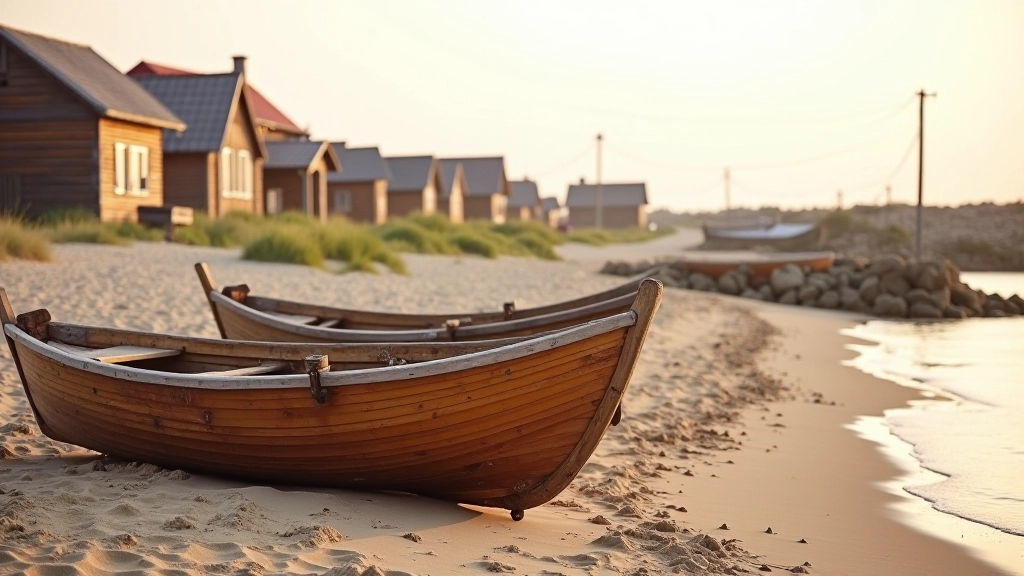
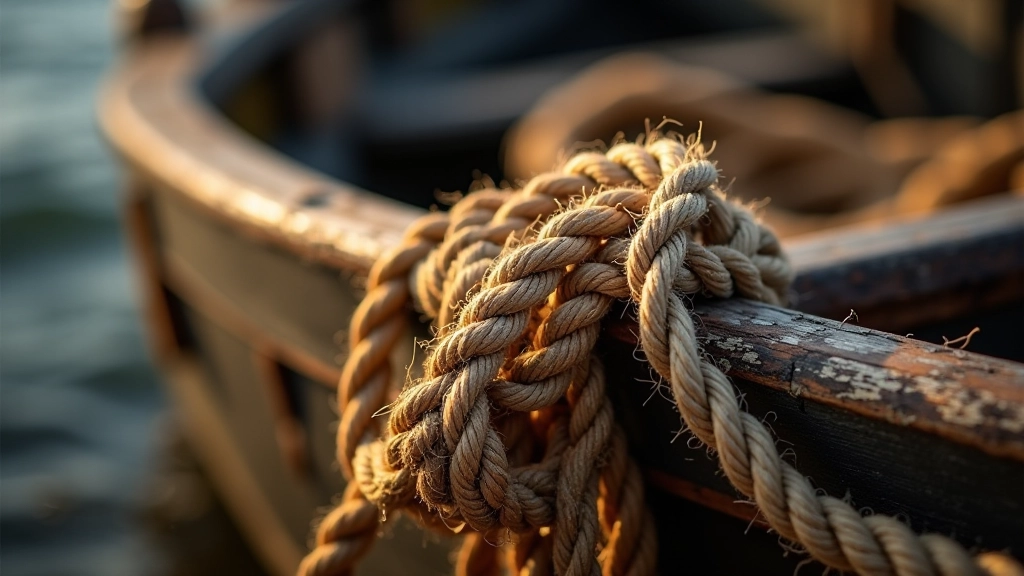
When you visit the coastal villages, you'll see fishing nets hanging to dry, boats built using traditional designs, and practices that connect directly to Liv heritage. These aren't performances for tourists. They're the continuation of a living tradition.
Village Life and Architecture
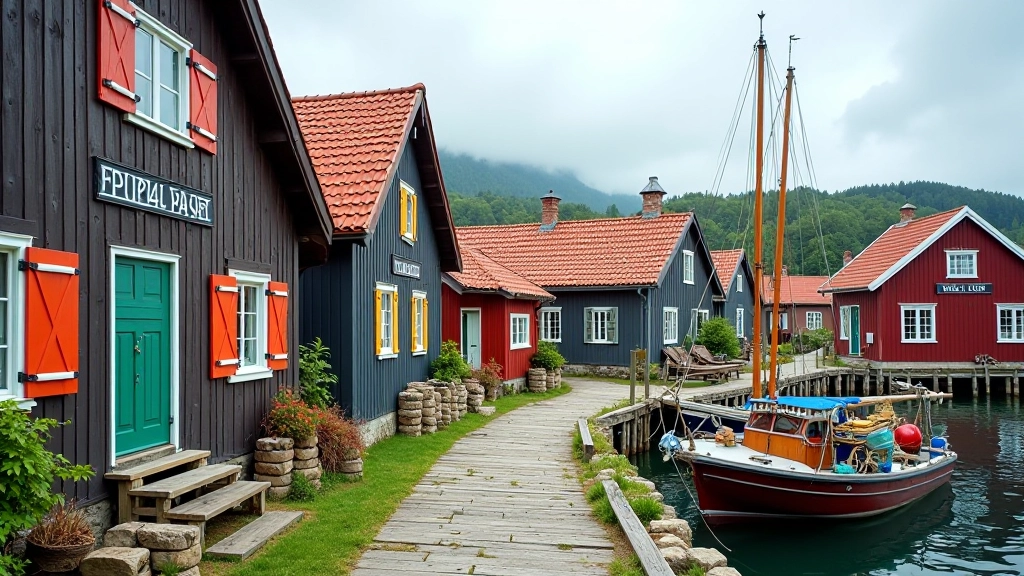
Liv villages weren't built randomly — every element had purpose. Houses faced the water so families could see approaching weather. Buildings were clustered close together for protection and community. Storage structures for fishing gear were positioned to dry catch efficiently. You're looking at functional design that emerged from centuries of living with coastal challenges.
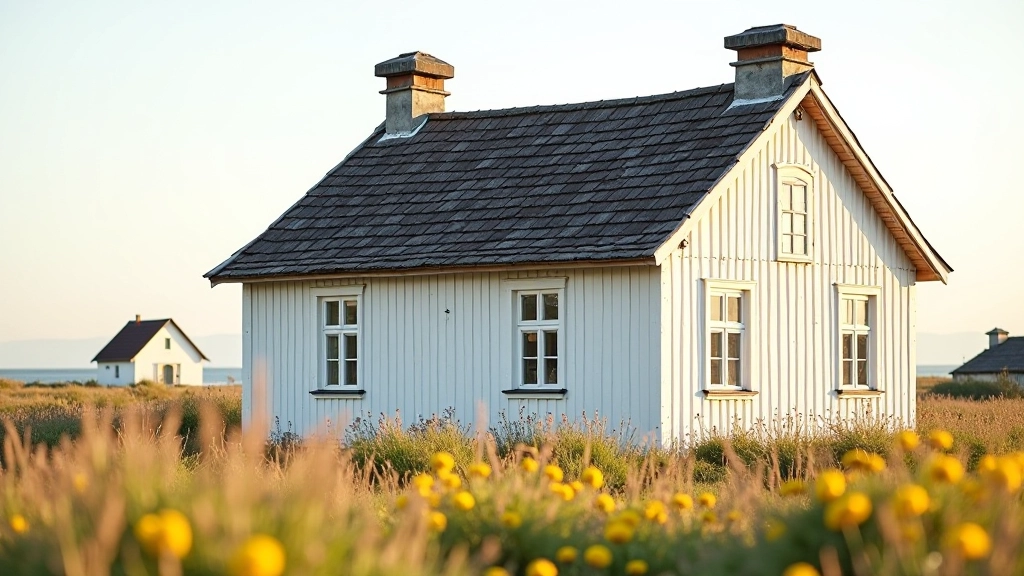
The architecture tells you about their priorities. Sturdy wooden frames designed to withstand Baltic storms. Pitched roofs that shed heavy snow. Doorways oriented to catch prevailing winds. When you walk through restored villages like Vaide, you're not just seeing old buildings — you're seeing problem-solving in wood and stone.
Most impressive? These villages were self-sufficient. They produced food, made tools, created textiles, and maintained boats — all within their tight communities. There's a lesson there about resilience that feels relevant even today.
Walking the Heritage Sites: What You'll Experience
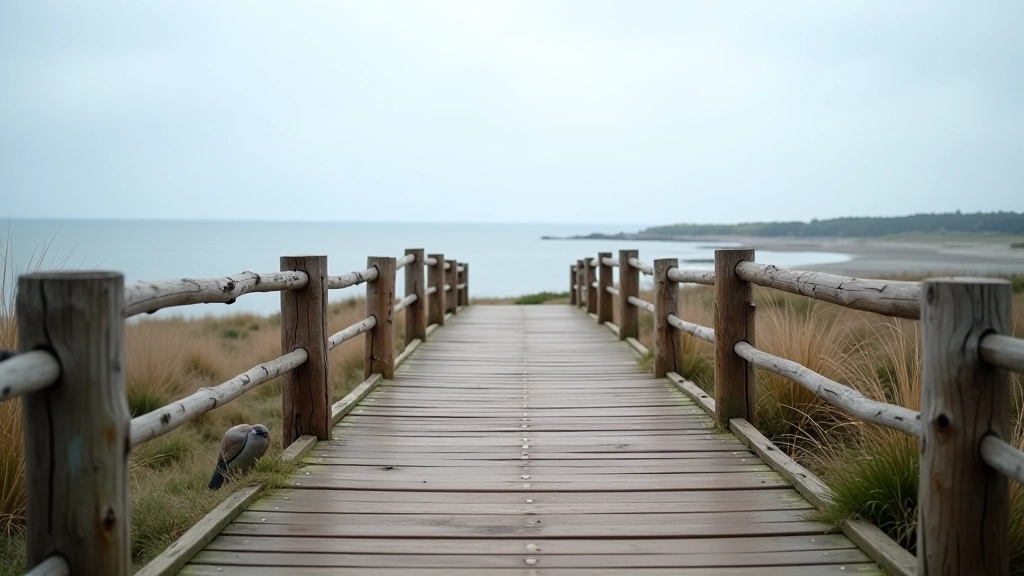
The coastal paths connecting these villages offer more than exercise — they're pathways through time.
Kolka Cape Coastal Loop
Starting from the northernmost point where two seas meet, this 4-kilometer route circles the cape with unobstructed views of the Baltic. The walk is gentle and takes about 90 minutes. You'll see where Liv fishermen once watched for returning boats, and if you're lucky, you'll spot the same bird migrations they tracked centuries ago.
Vaide Village Restoration Project
The most authentic Liv settlement experience. Vaide's been painstakingly restored using traditional methods and original architectural plans. Walking here, you're not reading about how Liv lived — you're seeing it. The village includes fishing storage buildings, traditional houses, and small exhibition spaces explaining daily life, fishing practices, and seasonal rhythms.
Maritime Museum at Kolka
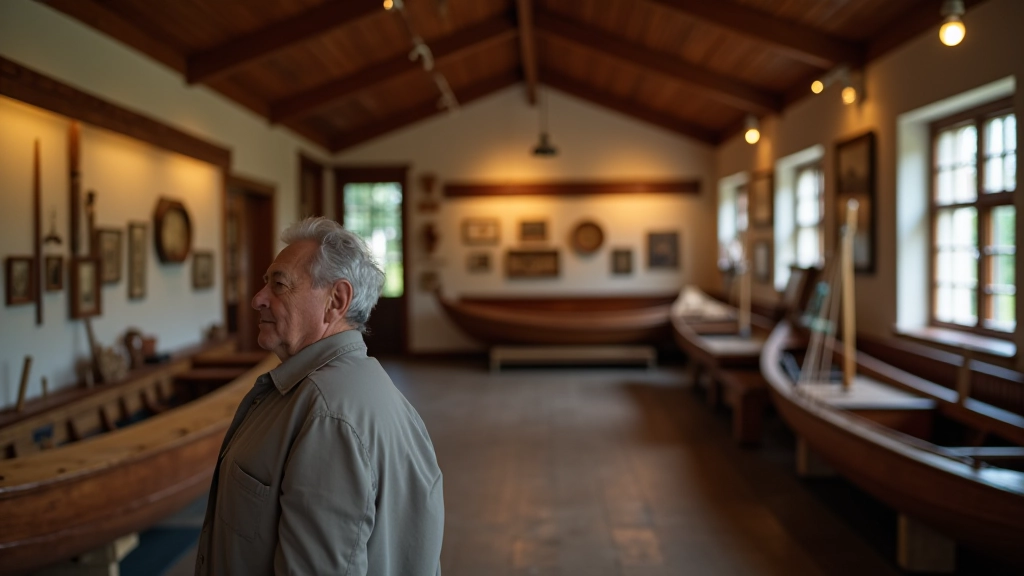
Before or after your coastal walks, this museum provides essential context. You'll see actual fishing boats, nets, tools, and artifacts that bring the landscape into focus. The collection includes traditional boat-building models, showing exactly how Liv craftsmen constructed vessels that could handle Baltic conditions. Allow 2-3 hours for a thorough visit.

About This Guide
This article provides educational information about Liv heritage, coastal history, and walking routes in Latvia. While we've made every effort to ensure accuracy, circumstances change — opening hours, accessibility features, and route conditions can vary seasonally. We recommend checking with local tourism offices and heritage site operators before planning your visit. Walking routes should be attempted only if you're comfortable with coastal terrain, and appropriate footwear is essential year-round.
Why This Matters Now
The Liv culture isn't a museum piece. It's a living example of how people adapted to their environment, built sustainable communities, and created traditions that lasted centuries. Walking the coastal paths, you're not just learning history — you're understanding resilience, ingenuity, and connection to place.
These heritage sites exist because people fought to preserve them. They're accessible because someone believed these stories matter. When you walk them, you're honoring that effort and keeping these traditions alive for the next generation. The Liv legacy isn't about the past — it's about understanding what humans can accomplish when they respect their environment and community.