
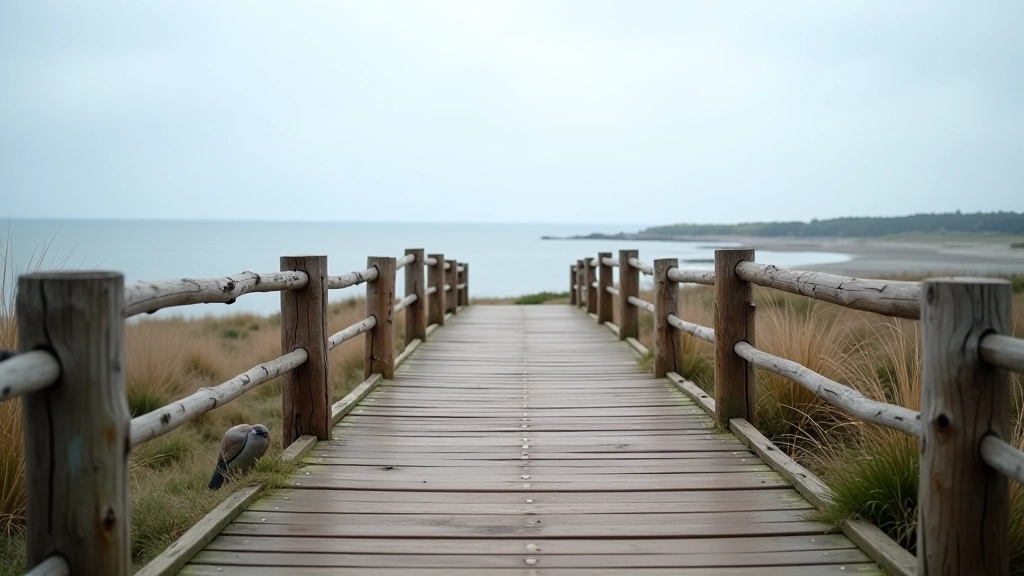
Walking the Kolka Cape Coastal Path
A gentle 4-kilometer loop around Latvia's northernmost point with panoramic views of where the Gulf of Riga meets the open Baltic Sea.
Practical advice on when to visit, where to rest, nearby facilities, and how to make your coastal heritage walk comfortable and memorable.

Walking the Latvian coastline isn't just about the destination — it's about choosing the right moment to experience it. The seasons transform these ancient Liv heritage paths in different ways. Spring brings fresh energy but unpredictable weather. Summer's warmth makes everything accessible. Autumn offers clarity and fewer crowds. Winter? It's beautiful but demands serious preparation.
We've guided hundreds of senior walkers through these trails over the past decade. What we've learned is simple: the best season for you depends on what your body handles best and what pace feels right. There's no single "perfect" time — only the right time for you.
March through May brings something special to the coast. The ice melts. Birds return. Everything comes alive. But here's the reality: spring in Latvia means variable weather. You might walk in sunshine one hour and face rain the next. Temperatures hover around 8-15°C, which feels fresh but requires layering.
The advantage? Fewer tourists. You'll have stretches of path nearly to yourself. The Kolka Cape trail shows its raw beauty without summer crowds. Paths can be muddy though — wear good waterproof boots. Bring a lightweight rain jacket you don't mind using. Spring works beautifully for people who don't mind occasional drizzle and appreciate solitude.
Best for: Walkers who enjoy solitude and don't mind variable weather. Ideal if you prefer a slower pace with frequent rest stops.
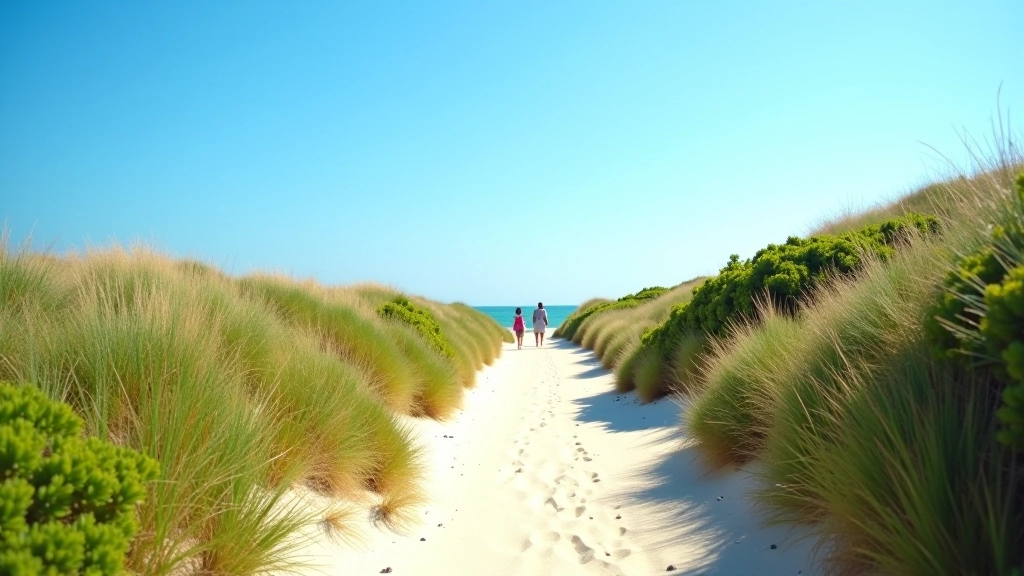
June through August is when most people visit. And honestly? For senior walkers, there's real logic to this. Temperatures reach 18-22°C. Days stretch to nearly 17 hours of daylight. You can start early, walk at a comfortable pace, and still have plenty of light when you finish. It's genuinely easier on the body.
The trade-off is crowds. July especially gets busy. But that's actually helpful sometimes — more facilities are open, cafés stay late, and if you need assistance, there are people around. Rest areas have benches occupied by friendly locals willing to chat. The paths themselves are dry and well-maintained. This season suits walkers who value comfort, company, and knowing help is nearby if needed.
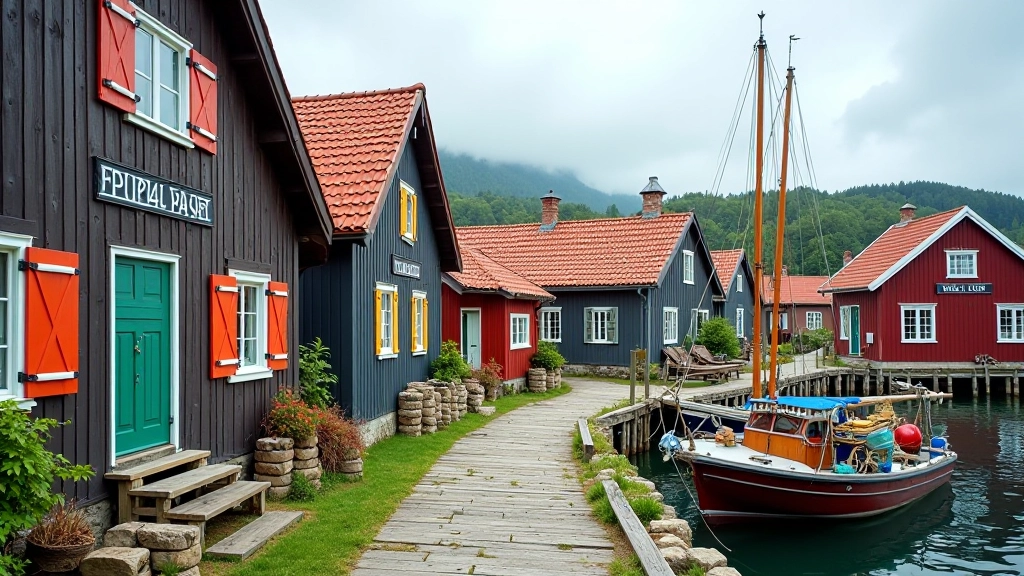
September and October bring something many walkers describe as "perfect." Temperatures settle at 12-18°C — warm enough you're not fighting cold, but cool enough you won't overheat during exertion. The crowds thin out after Labour Day. You get genuine solitude without spring's weather uncertainty.
The light changes too. Autumn creates that golden hour quality all day. Colors shift — greens deepen, grasses turn amber, the sky takes on clarity you don't see in summer haze. For photography, for simply feeling present, autumn excels. Days are still long enough (roughly 6am-8pm), so you're not rushed. This season suits contemplative walkers who value peaceful reflection and moderate physical comfort.
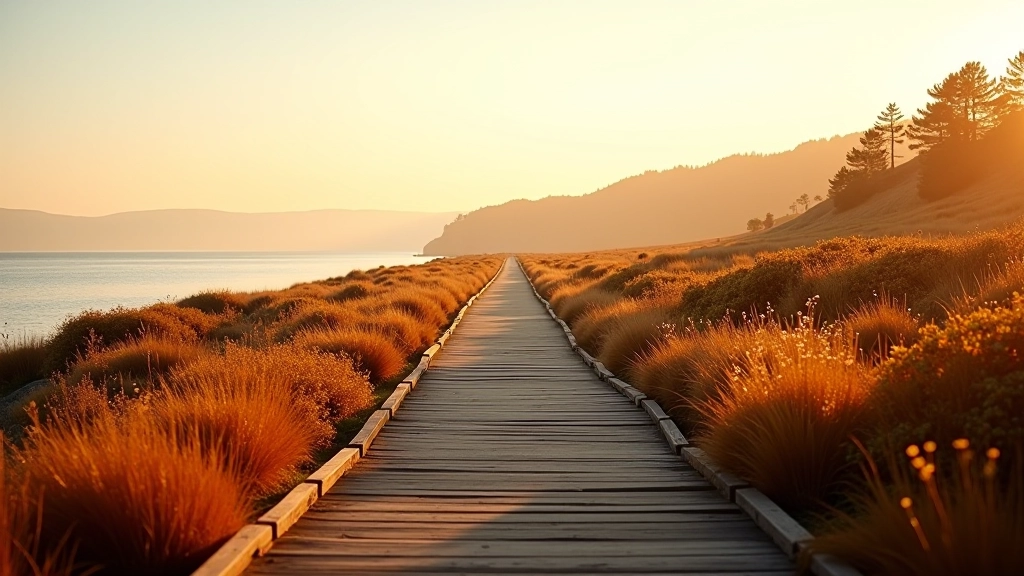
Smart rest planning separates enjoyable walks from exhausting ones. The Kolka area has benches every 400-600 meters along main paths. Not all have shelter — some are simple wooden seats. Bring a small cushion if sitting bothers your back. It genuinely helps.
Main trails have benches every 15-20 minutes of walking. Expect basic wooden seats without backs. Bring a lightweight cushion or foam pad — weighs nothing, changes everything for comfort.
Three covered rest huts on major routes. These have roofs but no walls. Perfect for unexpected rain or just sitting in shade. Locations marked on official maps available at visitor centers.
Vaide village has two small cafés open year-round. Kolka Lighthouse area has a café operating May through September. Both serve simple food and hot drinks. Plan routes around these stops.
Public restrooms at visitor centers and cafés. Summer months have portable facilities at trailheads. Always use facilities before starting — next available might be 3km away on less-traveled routes.
Good planning isn't about controlling everything — it's about removing unnecessary stress. Start by deciding what length feels right. A 2-kilometer walk takes about 30-45 minutes at relaxed pace. Four kilometers takes 60-90 minutes with rest stops. Most senior walkers find 4-6 kilometers their sweet spot for a full day out, including cafés and village exploration.
Accommodation nearby matters. Kolka has a small guesthouse open year-round. Vaide has two. Staying close means you're not rushed. You can walk in the morning, rest in the afternoon, explore differently in late afternoon. This rhythm works better than trying to do everything in one push.
Transport is straightforward. Buses connect Kolka and Vaide to Dundaga (the nearest town with more services). From there, regular buses reach Riga. If you're driving, roads are well-maintained. Parking at trailheads is free and plentiful.
The information provided here is educational and intended to help you plan heritage walks in Latvia's coastal areas. Walking conditions vary by season and individual ability. Always assess your personal fitness level and any health considerations before undertaking walks. Weather on the Baltic coast can change rapidly — check forecasts before departing. Carry appropriate safety equipment including a charged phone, water, and weather-appropriate clothing. This information doesn't replace professional guidance from local tourism specialists or medical professionals. Consult with your doctor if you have concerns about physical exertion or health conditions affecting your ability to walk.
The Liv heritage coast isn't a destination you rush through. It's a place you linger in. You stop to watch light change on water. You sit on a bench and listen to wind through grasses. You chat with locals in village cafés. You feel connected to centuries of people who walked these same paths for livelihood and home.
The best season for your walk isn't determined by guidebooks. It's determined by what feels right for your body, your schedule, and what kind of experience calls to you. Spring's solitude? Summer's warmth and company? Autumn's clarity? Winter's raw beauty? Each season offers something real.
What matters is getting out there. The paths have been walked for generations. They're waiting for yours.