
Walking the Kolka Cape Coastal Path
A gentle 4-kilometer loop around Latvia's northernmost point with panoramic views of where the Baltic meets the Gulf of Riga.

Where Two Waters Meet
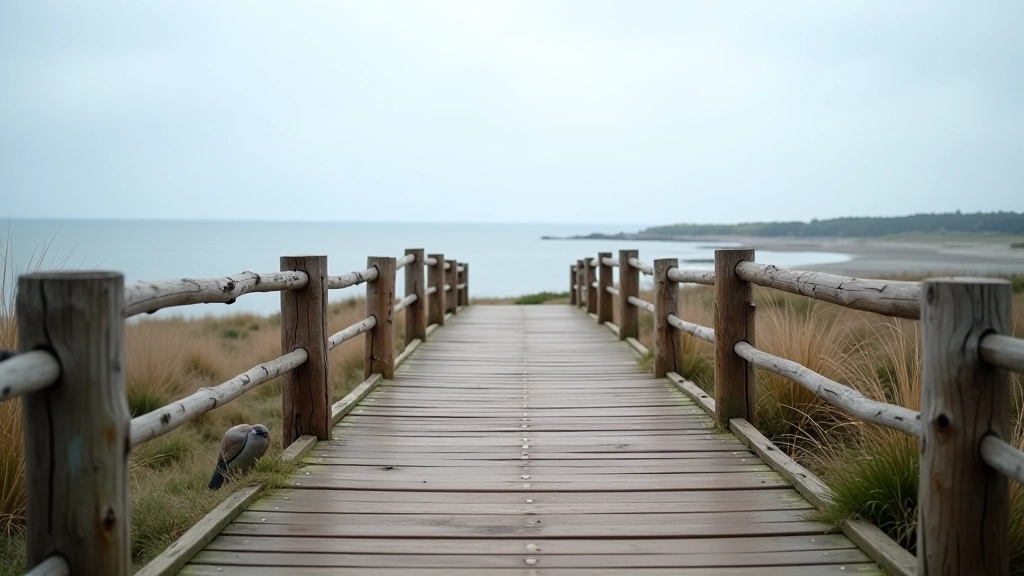
Kolka Cape isn't just another coastal walk. It's where the Baltic Sea and the Gulf of Riga collide, creating a unique natural phenomenon that's been drawing visitors for centuries. The cape itself is Latvia's northernmost point — a dramatic meeting place of currents, wildlife, and ancient Liv heritage.
We've walked this route dozens of times, and it never gets old. You'll notice how the landscape shifts as you move around the peninsula — dense pine forests give way to sandy beaches, then suddenly you're on rocky outcrops with 360-degree views. The 4-kilometer loop takes about 90 minutes at a relaxed pace, making it perfect for anyone wanting a genuine coastal experience without the exhaustion.
Understanding the Loop
The path follows a clear, marked route starting from the visitor center. It's well-maintained — you won't find yourself scrambling over rocks or battling overgrown vegetation. That's one of the reasons we recommend it so strongly for walkers who aren't spring chickens anymore.
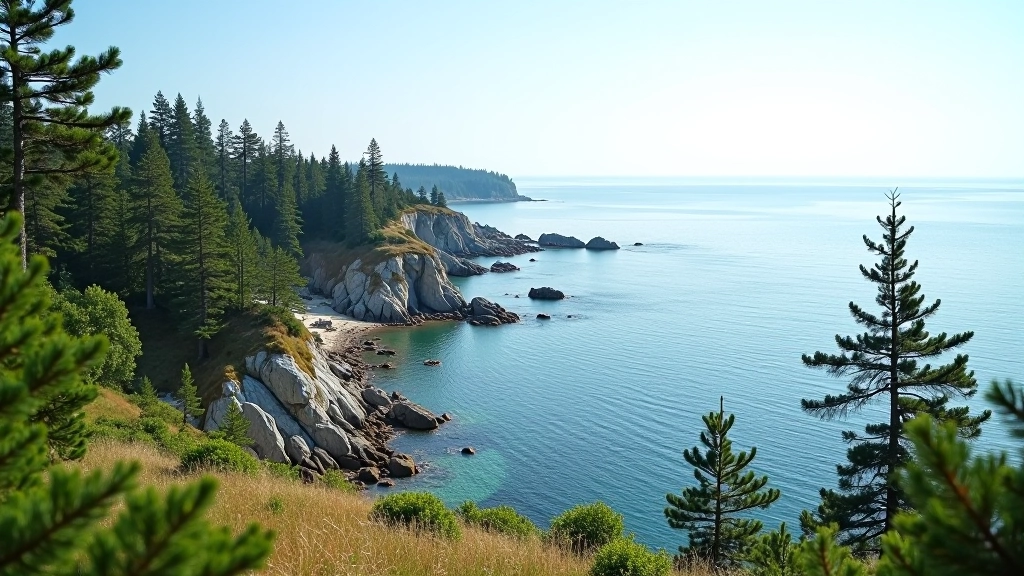
The first section winds through pine forest with glimpses of water through the trees. After about 1.5 kilometers, you'll reach the northern tip where the landscape opens dramatically. Here's where you'll see the actual meeting point of the two seas — the water colors actually shift depending on light and current conditions. On clear days, you can see all the way across to the Estonian coast.
The eastern side of the loop follows the shoreline more closely. This is where you'll find pebble beaches and, if you're lucky, amber washed up from the seafloor. The southern stretch brings you back through more forest before returning to the start. Don't rush this part — the walk is meant to be savored, not completed like a race.

Key Highlights Worth Experiencing
The Cape Point
Stand at the actual northernmost tip where currents create visible water patterns. The phenomenon shifts throughout the day as tides change.
Wildlife Spotting
Watch for sea eagles, cormorants, and if you're patient, seals. The coastal waters here support significant populations, especially during migration seasons.
Amber on the Beach
The pebble beaches occasionally yield amber pieces washed from ancient seafloor deposits. Walk slowly and scan the tide line carefully.
Liv Heritage Sites
Along the route you'll see markers indicating where the Liv people lived for centuries. These weren't just passing visitors — they were the first inhabitants.
Making the Most of Your Visit
Timing matters here. We recommend visiting between May and September when the weather's reliable and you'll have longer daylight hours. Early morning starts give you the best light and fewer crowds — you'll often have entire sections of the path to yourself.
Wear proper walking shoes with grip. The pebble beaches aren't forgiving to unsecured ankles, and the forest floor can be slippery after rain. Bring a light windbreaker — the cape gets breezy, especially near the point. Sun protection is essential; the light reflects off the water intensely.
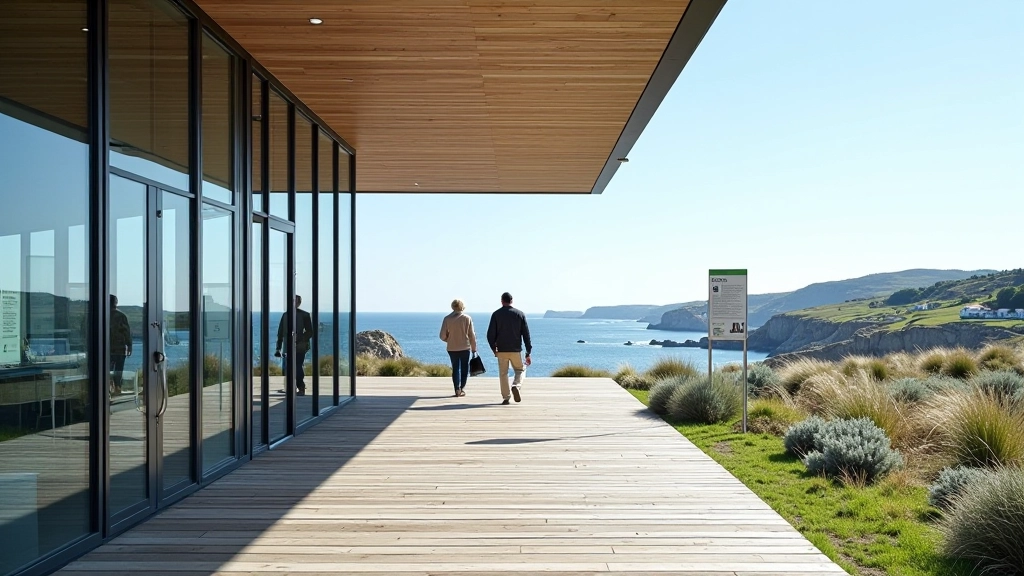
There's a visitor center at the start with restrooms, a small café, and information displays about Liv culture. It's worth spending 20 minutes here before you walk — understanding the history adds depth to the experience. The center also rents walking poles if you need extra stability on the pebble sections.

Important Information
The information provided here is intended for educational and planning purposes. While we've made efforts to ensure accuracy, conditions at Kolka Cape can change seasonally and weather can shift rapidly. Always check current conditions with the visitor center before you go. Wear appropriate footwear, bring weather protection, and let someone know your plans. The route is generally well-maintained, but natural coastal areas involve inherent risks. Exercise caution on pebble beaches and near water. This guide supplements, but doesn't replace, proper preparation and local guidance.
The Experience Stays With You
Walking Kolka Cape isn't about hitting a fitness goal or checking a box. It's about standing at a place where two bodies of water meet, where ancient peoples built their lives, and where nature still dominates the landscape. You'll feel the wind off the Baltic, you might find a piece of amber on the beach, and you'll see the kind of light that photographers chase across the globe.
Most people who do this walk once come back. Some come back every year. That tells you something about what this place offers — it's not spectacular in a dramatic way. It's memorable because it's genuine, accessible, and deeply connected to something real. The Liv people understood this place. So will you.